A Global Tech Outage of Unprecedented Proportions Traps Travelers, Affects Hospitals, and Disrupts Services Worldwide with Restorations Underway
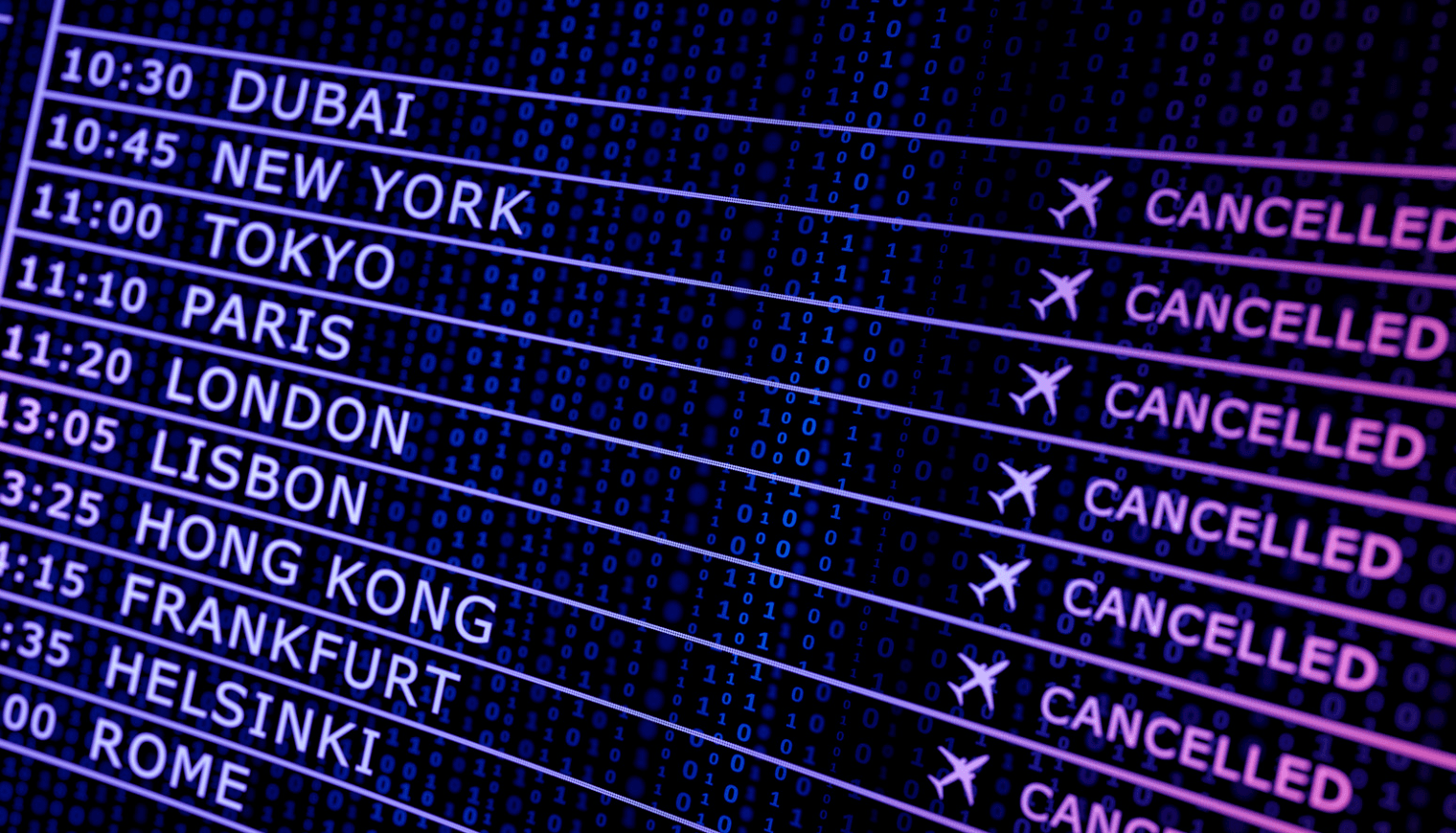
In the wake of what has been touted as "the largest IT outage in history," numerous industries globally found themselves grappling with unprecedented challenges. From thousands of stranded travelers at airports to disrupted emergency communication systems, and even blood donation facilities running out of crucial supplies, the repercussions of this massive tech failure were felt far and wide. While efforts are underway to restore operations gradually, delays and disruptions continue to persist, leaving a trail of chaos and confusion in their wake.
According to experts who spoke with CNN, the faulty Windows operating system update by CrowdStrike was the root cause behind the shutdown of airlines, businesses, government agencies, health and emergency services, banks, and educational institutions on a global scale. The impact of this outage was far-reaching, affecting millions of Windows computers, with Microsoft reporting that approximately 8.5 million systems were impacted. The economic and societal ramifications of this incident were significant, as many critical services relied on CrowdStrike software, leading to widespread disruption and chaos.
By Saturday afternoon, FlightAware had recorded over 1,600 flights canceled in the US, with an additional 5,000 experiencing delays. The previous day had seen even more substantial disruptions, with over 3,000 flights canceled and 11,000 delayed. Major airlines such as Delta Air Lines, United, and Jetstar Japan found themselves scrambling to address the fallout from the outage, with thousands of flights impacted and operational challenges persisting.
Passengers at airports across the country were left frustrated and stranded, missing important events such as funerals and birthdays, as they waited for answers and assistance. The scenes at airports like Hartsfield-Jackson International Airport in Atlanta were characterized by long queues of stranded travelers seeking solutions to their predicaments. For many, the ordeal spanned hours or even days, with limited information and resources available to help them navigate the unexpected disruptions.
The ripple effects of the tech outage extended beyond airports, disrupting essential services and everyday life for Americans. Emergency services like 911 experienced interruptions in several states, while driver licensing offices faced partial closures or operational challenges in Texas, Tennessee, North Carolina, and Georgia. Payment processing systems at major hotel chains like Marriott International and Hilton were also impacted, leading to delays and inconvenience for customers.
Amid the chaos, cybersecurity experts and government agencies warned of the potential threat posed by cybercriminals seeking to exploit the situation for malicious purposes. Commercial and government entities worked tirelessly to assess the risks and address the fallout, with cybersecurity agencies collaborating with business and government partners to mitigate the impact of the outage. CrowdStrike CEO George Kurtz issued a public apology to customers and reassured them of the company's commitment to restoring systems and preventing similar incidents in the future.
Hospitals were among the hardest hit by the tech outage, as staff struggled to treat patients without the necessary technology and systems in place. Nurses and medical professionals recounted instances of system failures jeopardizing patient care, with critical services like labor and delivery units and electronic health records systems affected. The widespread disruption extended to blood donation centers, where concerns about the blood supply process arose due to flight delays and operational challenges.
As the dust settles and organizations work towards recovery and restoration, the impact of the global tech outage continues to reverberate across industries and communities worldwide. From stranded travelers to disrupted emergency services, the aftermath of this unprecedented event serves as a stark reminder of the interconnectedness of our modern digital world and the vulnerabilities that come with it. As stakeholders collaborate to address the fallout and fortify systems against future disruptions, the lessons learned from this incident will undoubtedly shape the future of global tech infrastructure and cybersecurity practices.